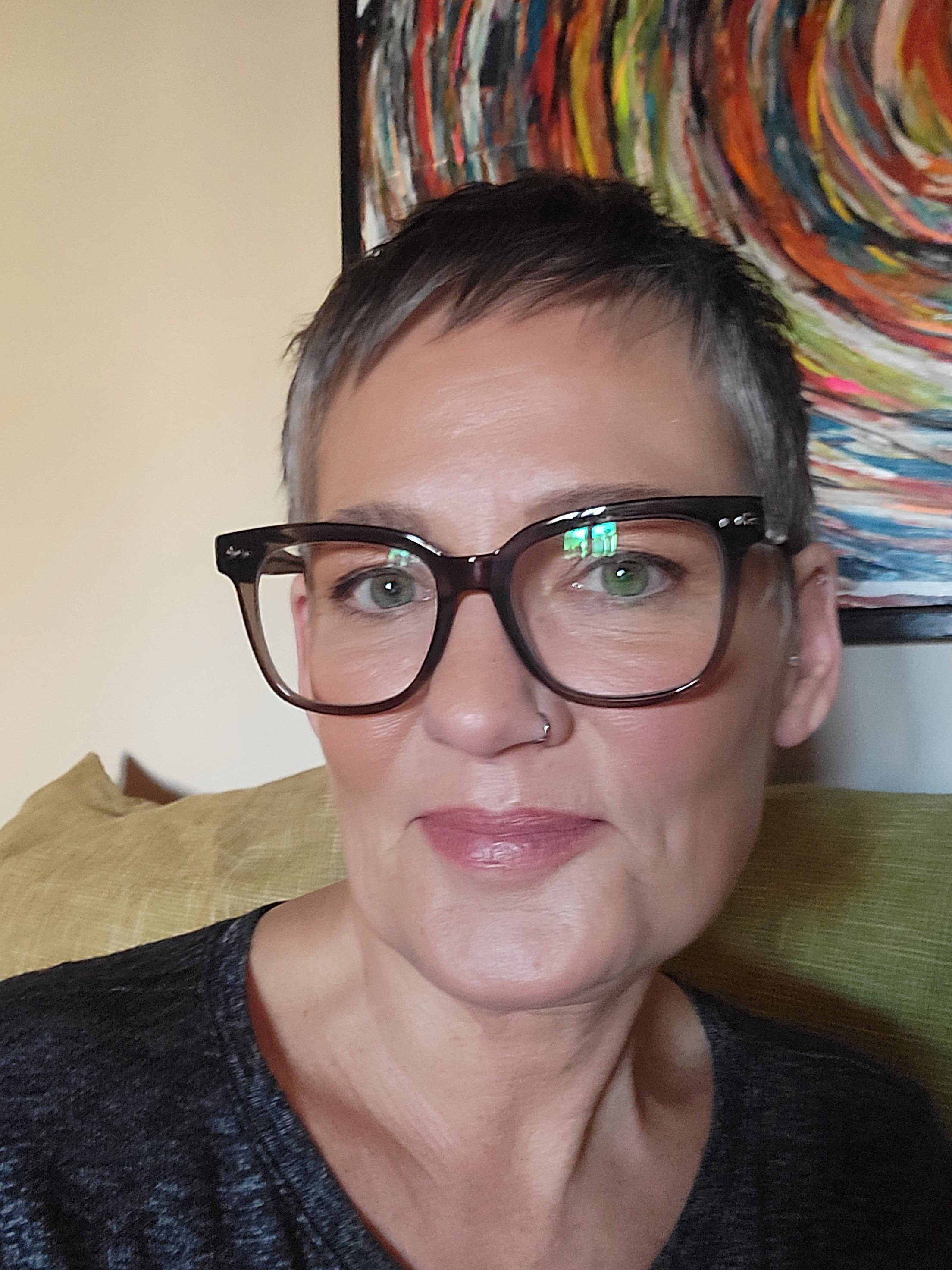
The projects that follow represent the culmination of years of dedication, growth, and hands‑on experience. Each one reflects the perseverance it takes to translate academic learning into meaningful community impact. Over the past three years as a Public Health AmeriCorps member with the YMCA of the Chippewa Valley and through my graduate studies in the M.S. Communication program at the University of Wisconsin–Whitewater, I’ve worked to connect theory with practice, turning coursework into real solutions for real people. These projects embody my commitment to public health policy, program development, and effective communication, all driven by a deep passion for serving individuals in my community and advancing equity‑focused care.
This reflection, completed for Health Communication Topics (COMM 763), allowed me to critically examine my lived experience, surface and evaluate my own biases, and apply course materials to build a deeply reflective and academically grounded piece. It demonstrates how I have applied communication theory directly to my healing and professional practice, drawing on concepts such as patient‑centered communication, resilience theory, and temporal message framing to make sense of my experiences. I show my ability to use research methods by integrating scholarly sources, analyzing my own information‑seeking behaviors, and evaluating the impact of mediated communication and misinformation. My discussion of trauma‑informed care and power differentials in clinical encounters reflects my commitment to diversity and inclusion, especially when I describe how “healthcare providers have traditionally left patients feeling disempowered…” and how that shaped my care. I demonstrate critical thinking and problem solving through the way I identify barriers, reinterpret past experiences, and adopt innovative approaches to recovery and community support. I connect academic learning to professional practice through my AmeriCorps service and the creation of Sober Strong, showing how I transfer classroom knowledge into real‑world public health programming. This reflection highlights strong communication skills across interpersonal, written, and mediated contexts, and underscores my commitment to ethical practice through my emphasis on patient autonomy, trauma‑informed approaches, and responsible information use.
For Health Communication and Public Policy (COMM 764), I critically analyze how communication, policy, and public perception shape the spread and adoption of health interventions. In this paper, I demonstrate my ability to use new media by engaging with digital scholarly sources and mediated communication channels to examine how health interventions circulate across communities. I apply communication theory by integrating Diffusion of Innovation and the Health Belief Model to explain adoption processes, including my discussion of the five‑step innovation‑decision process. I show competency in research methods through my synthesis of multiple data‑driven frameworks and evidence‑based literature. My analysis of barriers faced by marginalized and low‑resource communities reflects my commitment to diversity and inclusion, especially when noting that “resource‑rich communities have a propensity to adopt and implement innovations compared to low‑income communities.” I demonstrate critical thinking by comparing models, identifying limitations, and evaluating how personal beliefs, social pressures, and structural inequities influence adoption. I connect academic learning to professional practice by applying these concepts to my own work in health intervention programming, illustrating how theory informs real‑world decision‑making. My writing showcases strong communication skills through clear synthesis and explanation of complex models, and I uphold ethical practice by emphasizing the need for equitable, culturally responsive, and community‑centered health interventions.
My research paper, created for Health Communication and Public Policy (COMM 764), allowed me to critically implement and apply course materials to analyze how communication, media, and policy shape public understanding of the opioid crisis. It demonstrates my ability to use new media by examining how mass communication, press releases, blogs, and mediated advocacy influenced public perception and policy momentum. I apply communication theory by using Agenda Setting Theory and Social Norms Theory to explain how framing, salience, and misperception contributed to stigma and legislative response. I show competency in research methods through my integration of federal reports, scholarly literature, media analyses, and policy documents. My discussion of racialized media portrayals and unequal treatment access reflects my commitment to diversity and inclusion, especially when I highlight that white opioid users were framed as victims while “people of color are rarely represented… because they are not newsworthy.” I demonstrate critical thinking by evaluating the unintended consequences of legislation and the complex interplay between media narratives, policy decisions, and public stigma. I connect academic learning to professional practice by applying these insights to real‑world public health policy contexts, strengthening my ability to design equitable, evidence‑informed interventions. My writing showcases strong communication skills through clear synthesis of theory, policy, and media analysis, and I uphold ethical practice by emphasizing humanization, dignity, and equitable access to care for individuals with opioid use disorder.
This strategic analysis, created for Strategic Planning (COMM 720), allowed me to integrate course materials with my professional experiences at the YMCA of the Chippewa Valley. It demonstrates course competencies by intentionally weaving communication theory, data analytics, and new‑media strategies into a comprehensive situational analysis designed to strengthen the YMCA’s communication practices. I drew on social and new‑media insights from the PESO model to evaluate digital engagement, and I applied Diffusion of Innovation Theory to shape strategic recommendations that reflect real‑world professional application. By integrating financial reports, census demographics, community health assessment data, and membership analytics, I applied research methods to translate complex information into clear, actionable communication strategies. My emphasis on trauma‑informed messaging, inclusive outreach, and support for underserved populations reflects my commitment to diversity and inclusion. Identifying organizational challenges and proposing innovative, theory‑driven solutions required strong critical thinking and problem‑solving, while the clarity and professionalism of my writing demonstrate effective communication skills and ethical awareness. Altogether, this analysis reflects my ability to transfer academic knowledge into a professional context with confidence and purpose.
This two‑fold project, created for Strategic Planning (COMM 720), allowed me to critically analyze my service position and professional experience at the YMCA of the Chippewa Valley while implementing my course learning. The strategic plan and accompanying video presentation together demonstrate course competencies by integrating new‑media communication, theory, data, and professional practice into a cohesive, trauma‑informed initiative for the YMCA of the Chippewa Valley. I used new media by designing an internal website, digital modules, and mediated communication channels to engage staff across eight facilities. I applied Diffusion of Innovation Theory to guide rollout, adoption, and message framing. My analysis incorporated multiple forms of data analytics - including surveys, community health assessment findings, financial reports, and demographic data - to inform evidence‑based recommendations. I centered diversity and inclusion by emphasizing trauma‑informed practices, ADA‑compliant design, and culturally responsive messaging. Developing solutions to organizational communication challenges required strong critical thinking and innovative problem‑solving. I transferred academic learning directly into a professional context by creating a full strategic plan, tactical rollout, and multimedia presentation, demonstrating readiness for real‑world communication work. Across written and oral formats, I showed advanced communication skills and upheld ethical principles such as confidentiality, transparency, and responsible messaging.
Researched and written for Corporate Communication Management (COMM 727), this project incorporated course materials to analyze organizational culture at the YMCA of the Chippewa Valley through a theory‑driven and data‑informed communication lens. In this exploration of organizational culture, I demonstrated a wide range of professional communication competencies through my use of interviews, observational data, theory‑driven analysis, and mediated communication channels. I used new media by incorporating digital interviews, organizational reports, and mediated communication platforms to gather and communicate insights. I applied communication theory - including Sensemaking Theory, Social Identity Theory, and Schein’s cultural model - to interpret artifacts, behaviors, and values within the organization. My integration of qualitative interviews, organizational documents, and demographic data reflects strong research methods skills and the ability to translate data into meaningful cultural analysis. I demonstrated diversity and inclusion by examining how the YMCA supports vulnerable populations, uses inclusive language, and fosters belonging across age, income, and cultural backgrounds. Critical thinking and problem‑solving were evident in my identification of communication barriers and my recommendations for improving clarity, inclusivity, and cross‑department collaboration. I transferred academic learning directly into professional practice by applying theory to real organizational challenges and grounding my insights in lived experience within the YMCA. My written analysis and interview‑based insights reflect strong communication skills, and my emphasis on confidentiality, respect, and equitable treatment demonstrates a clear commitment to ethical practice.
Developed for Practicing Advocacy and Influence (COMM 745), this comprehensive advocacy campaign incorporated course materials alongside my professional and lived experience to design a strategic, community‑focused initiative. In this campaign, I demonstrated a full range of professional communication competencies by integrating lived experience, strategic storytelling, digital media, and theory‑driven planning into a cohesive advocacy effort. I used new media through social platforms, AI‑generated storytelling tools, digital prototypes, and a press release to engage diverse audiences and mobilize support. I applied communication theory - including the Narrative Paradigm and the Elaboration Likelihood Model - to shape persuasive messaging grounded in coherence, credibility, and emotional resonance. My campaign incorporated research methods such as stakeholder mapping, analytics dashboards, A/B testing, surveys, and qualitative interviews to inform strategy and evaluate impact. I centered diversity and inclusion by elevating lived experience, addressing systemic barriers, and tailoring messages for culturally diverse and marginalized communities. Critical thinking and problem‑solving guided my development of innovative tactics, such as AI‑assisted storytelling and multi‑platform advocacy, to address housing inequities. I transferred academic learning directly into professional practice by designing a real‑world advocacy campaign aligned with Eau Claire’s housing priorities and my role in Public Health AmeriCorps. Across written, oral, and mediated formats, I demonstrated strong communication skills while upholding ethical principles of dignity, transparency, and responsible representation of vulnerable populations.
I launched the Sober Strong program by using my Public Health AmeriCorps service platform as the foundation to integrate both myself and the initiative into the YMCA of the Chippewa Valley, where it has now been formally adopted as ongoing programming for both men and women. Over three years, 101 individuals participated at some level, and I facilitated nearly 4,000 distinct interactions that provided mentorship, resource navigation, trauma‑informed care, and wellness activities. I used new media strategically - through digital communication, social platforms, and mediated outreach - to connect with participants and promote accessible recovery messaging. I applied communication theory by grounding the program in trauma‑informed communication, patient autonomy, and resilience‑building practices that shaped how I structured engagement and support. My use of research methods included collecting and analyzing participation data, administering surveys, and using evidence‑based insights to refine programming, increase engagement, and build trust and accountability. I demonstrated diversity and inclusion by designing a program responsive to the needs of individuals from varied backgrounds, honoring lived experience, and reducing barriers to participation. Critical thinking and problem‑solving guided my approach as I incorporated art and writing projects, volunteer opportunities, speakers, and workshops to creatively meet participant needs while allowing them to direct their own recovery journey. I translated academic learning into professional practice by applying graduate‑level communication, public health, and program‑development skills directly to a real‑world community setting. My work required strong oral, written, interpersonal, and mediated communication skills to build relationships, facilitate groups, and collaborate across agencies. Throughout, I upheld ethical practice by centering dignity, autonomy, harm reduction, and equitable access to wellness. The YMCA now complements Sober Strong with an annual membership that encourages participants to explore wellness activities aligned with their recovery goals and attend support meetings that strengthen community connection—an outcome that reflects both the program’s impact and the competencies I developed throughout my graduate training.
Creating the Stronger Together Recovery & Mental Health Resource Fair at the Downtown YMCA of the Chippewa Valley for two consecutive years allowed me to demonstrate every major competency from my graduate coursework through a real, community‑impacting project. I used new media by designing digital promotional materials, coordinating online outreach, and leveraging social platforms to expand attendance - resulting in a fivefold increase in year‑two participation. I applied communication theory by using narrative‑based messaging, trauma‑informed communication principles, and community‑centered framing to shape how vendors and attendees engaged with one another. My planning incorporated research methods through needs assessments, vendor mapping, community data from the community health assessment, and post‑event feedback to refine the second‑year fair. I centered diversity and inclusion by bringing together over 30 organizations serving varied cultural, socioeconomic, and recovery communities, ensuring the event was accessible, family‑friendly, and welcoming. Critical thinking and problem‑solving guided the event’s structure - such as adding speakers, demonstrations, and a children’s area - to reduce stigma and increase comfort for attendees. I translated academic learning directly into professional practice, coordinating a large‑scale public health event that aligned with the YMCA’s mission and community needs. Throughout the process, I demonstrated strong communication skills in vendor coordination, public messaging, and event facilitation, while upholding ethical principles of dignity, safety, confidentiality, and respect for individuals navigating recovery and mental health challenges.
Developing this five‑year strategic plan brought together my lived experience, graduate training, and professional practice in public health. In creating the Community Care & Reintegration Services (CCRIS) model, I applied communication theory, digital media tools, and data‑driven research to translate community needs into a clear, trauma‑informed, and culturally responsive program design. My work at the Eau Claire Downtown YMCA and my AmeriCorps service grounded the project in real‑world practice, strengthening its feasibility and relevance.
I proposed that this initiative be implemented at the YMCA of the Chippewa Valley, and although organizational capacity did not permit adoption, my proposal was met with genuine enthusiasm and encouragement. Throughout the process, I relied on critical thinking, ethical decision‑making, and strong written and interpersonal communication to articulate a model centered on dignity, equity, and recovery‑focused support. This project reflects the core of my professional identity and my commitment to building systems that honor people and strengthen community well‑being.