Big Ideas, Real Impact.
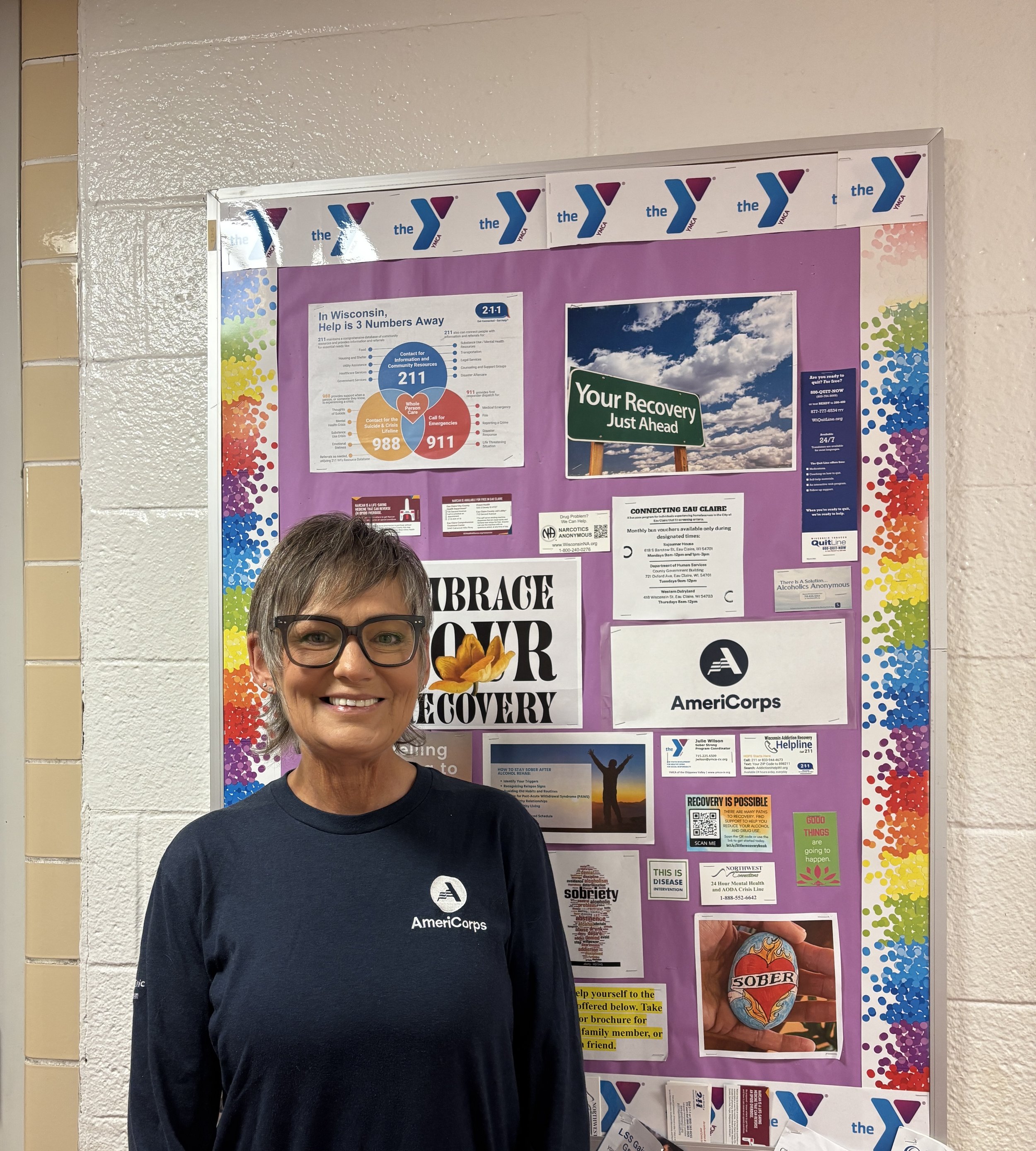
My journey into public health is deeply personal. As a mother of two and someone in long‑term recovery, supported by family, friends, and my service dog Zoe, I’ve learned what perseverance, compassion, and rebuilding truly look like. Those experiences shape how I show up for my community and fuel my desire to turn lived experience into meaningful change.
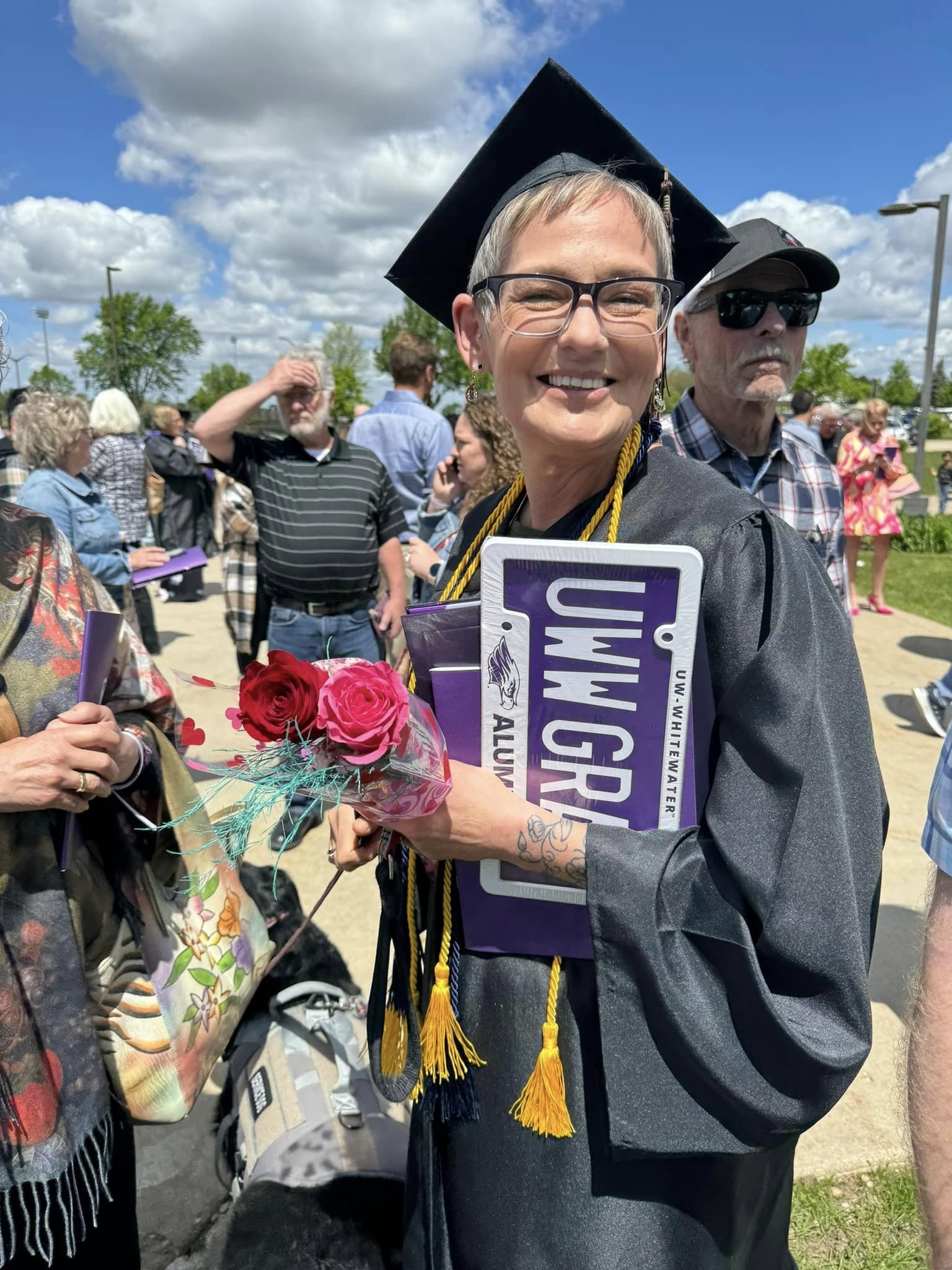
Alongside my recovery, I’ve built a strong academic and professional foundation - a bachelor’s in Corporate and Health Communication, a master’s in Communication with a public health emphasis, and three years of service as a Public Health AmeriCorps member. Being named the 2025 AmeriCorps Member of the Year for my work in recovery support and stigma reduction was a reminder that personal experience, when paired with academic learning and professional skills, can move systems forward.
I’m someone who finds joy in the outdoors, in reading and writing, and in creating art that helps me express parts of my story words can’t reach. Service is at the core of who I am. Everything I do is driven by a commitment to help my community through thoughtful public health policy, compassionate programming, and communication that honors the people it’s meant to serve.
As my recovery deepened, I gained the capacity to use both my learned and lived experience with intention. That growth now guides my professional practice and reinforces my commitment to creating pathways of stability and reintegration for others.
2024 CDC Public Health AmeriCorps Video
Beyond Recovery:
Graduate Study, Sober Strong, and the Call to Reentry Reform
When I entered graduate school, I had already completed a year of service with Public Health AmeriCorps at the YMCA of the Chippewa Valley. My goal was straightforward: earn a master’s degree in communication with an emphasis in public health so I could advance my work with the Sober Strong program. I expected graduate study to refine my communication skills, not reshape my understanding of public health or social change.
Graduate coursework quickly expanded my perspective. I learned how and why communication drives public health outcomes, influences policy agendas, and reduces stigma. Storytelling, narrative framing, advocacy, and community engagement became more than tools, they became mechanisms for shifting public perception and improving systems of care. This deeper understanding helped me recognize that Sober Strong needed to evolve. Participants were facing homelessness, incarceration, and reintegration challenges that required a broader, more trauma‑informed approach. Graduate study showed me why recovery programming must address structural barriers and how communication can empower people whose experiences are often marginalized.
This insight led me to develop Community Care and Reintegration Services (CCRIS), a more comprehensive model that integrates trauma‑informed communication, coordinated care, and reintegration support. As I learned more about organizational capacity and community need, I realized the YMCA could not sustain a program of this scale. That recognition, and my growing understanding of system‑level communication, pushed me to seek opportunities where I can apply my communication expertise to broader public health challenges.
This shift from program facilitation to system‑level change is why I am pursuing new professional pathways and preparing to apply to the Doctorate in Health Informatics (DHI) program at UTHealth Houston. I want to help design informatics‑supported policies and interventions that strengthen outcomes for individuals experiencing incarceration and recidivism, including expanding access to trauma‑informed health and wellness programming.
Graduate school didn’t just refine my skills - it transformed my philosophy. It taught me how communication can change systems and why my lived experience, paired with academic training, positions me to advance equity‑centered care. My goals have grown, but their foundation remains the same: to transform trauma into practice and build pathways of healing, belonging, and opportunity.